The Role of Sodium in Your Diet
Sodium has a reputation problem, largely fueled by common sodium myths. Too much, and it’s linked with high blood pressure, cardiovascular strain, and kidney stress. But here’s the truth: sodium isn’t the villain—it’s essential. Sodium is an essential nutrient required for your body to function properly, playing a key role in nerve and muscle function as well as fluid balance. Your body needs it to regulate fluid balance, maintain proper nerve signaling, and keep muscles (including your heart) contracting properly.
The sweet spot? Health experts recommend keeping sodium below 2,300 mg of sodium per day, with an optimal target closer to 1,500 mg for many adults, especially those with hypertension. Globally, the World Health Organization sets a target of 2,000 mg daily. Understanding the sodium content in foods is important because recommendations are based on milligrams of sodium, not just the amount of salt added at the table.
The problem is, the average American eats more than 3,300 mg every day. That’s often not from the salt shaker, but from packaged foods, restaurant meals, and hidden sodium in condiments, breads, sauces, and snacks. Table salt and processed foods are major sources of sodium content in the diet, while potassium is another important mineral that helps maintain fluid and electrolyte balance.
Why Sodium Gets a Bad Reputation (and Why It’s Not That Simple)
For decades, sodium has been demonized as the single biggest dietary villain. That’s not totally fair. The real problem isn’t sodium itself—it’s the modern food environment.
Think about it: our ancestors consumed natural foods—lean proteins, fruits, vegetables, nuts—where sodium appeared in small amounts from natural sources. In contrast, most of our salt intake today comes from processed food, which is often loaded with added salt. Added salt in packaged foods, restaurant meals, and even some medications now makes up the majority of dietary sodium in the modern diet.
This overconsumption has real effects. Studies show that about half of all cases of hypertension are directly linked to high sodium intake. High sodium consumption and excess dietary sodium are key contributors to health risks, especially when most of it comes from processed and prepared foods.
Here’s the nuance, though: your body needs sodium. Too little can cause dizziness, muscle cramps, and even impact heart rhythm. Both excess salt and inadequate sodium can have harmful effects and increase the risks of poor health outcomes. Less salt in the diet, especially from processed sources, can benefit most foods and support overall health. That’s why Fitlife takes a balanced approach—crafting meals that give you flavor and energy, while staying away from the sodium extremes you’ll find in much of today’s food supply.
Imbalanced salt intake can contribute to poor health, so it’s important to consider how much salt is appropriate for your individual needs, taking into account factors like genetics, health conditions, and lifestyle.
Sodium Sensitivity and Intake
Not everyone’s body responds to sodium in the same way. Some people are what experts call “sodium sensitive,” meaning their blood pressure rises more sharply when they consume higher amounts of sodium. For these individuals, even moderate increases in sodium intake can lead to significant spikes in blood pressure, putting them at greater risk for developing high blood pressure and, over time, heart disease or stroke.
Understanding your own sodium sensitivity can be a game-changer for your health. If you notice your blood pressure tends to run high, or if you have a family history of hypertension or heart disease, it makes sense to pay extra attention to your sodium consumption. By tailoring your diet to include less sodium and focusing on whole, minimally processed foods, you can help keep your blood pressure in check and lower your risk of serious health issues.
If you’re unsure about your sodium sensitivity, talk to your healthcare provider. They can help you monitor your blood pressure and recommend the best approach to sodium intake for your unique needs. Remember, a diet that’s mindful of sodium isn’t just about numbers—it’s about protecting your heart and supporting your long-term health.
Moderation Over Extremes
Cutting back is important, but going too low can also create issues, especially for athletes, highly active people, or those losing electrolytes through sweat. Low sodium intake, particularly in restrictive diets like keto or paleo, or with high physical activity, can lead to symptoms such as fatigue or the so-called “keto flu,” highlighting the need for more sodium in these situations. Sodium is essential to help muscles work properly, support nerve function, and retain sodium for hydration and optimal performance.
Research suggests the healthiest path is moderation, not extremes. Think of it as steering between two guardrails: avoid excess sodium, which can raise blood pressure and cause fluid retention, but don’t strip it out entirely.
That’s why we don’t believe in bland “low-everything” food. Instead, we build meals that balance flavor and health, so you can stay in the zone without overthinking your sodium.
How Fitlife Keeps Sodium in Check
Our culinary philosophy is simple:
- Herbs, spices, and citrus first. We build flavor naturally instead of leaning on salt.
- Intentional layering. A sprinkle at the right stage goes farther than a shake at the end.
- Ingredient-forward design. Whole foods, lean proteins, fresh veggies, and smart carbs are naturally lower in sodium.
- Clear labeling. You’ll always see sodium content per serving, so you can make informed choices about sodium content in each meal.
The result? Meals that bring comfort and flavor but stay aligned with sodium guidelines.
Low-Sodium Stars on Our Menu
Here are four FitMeals that prove flavor doesn’t require a salt overload:
Queso Chicken Burrito Bowl
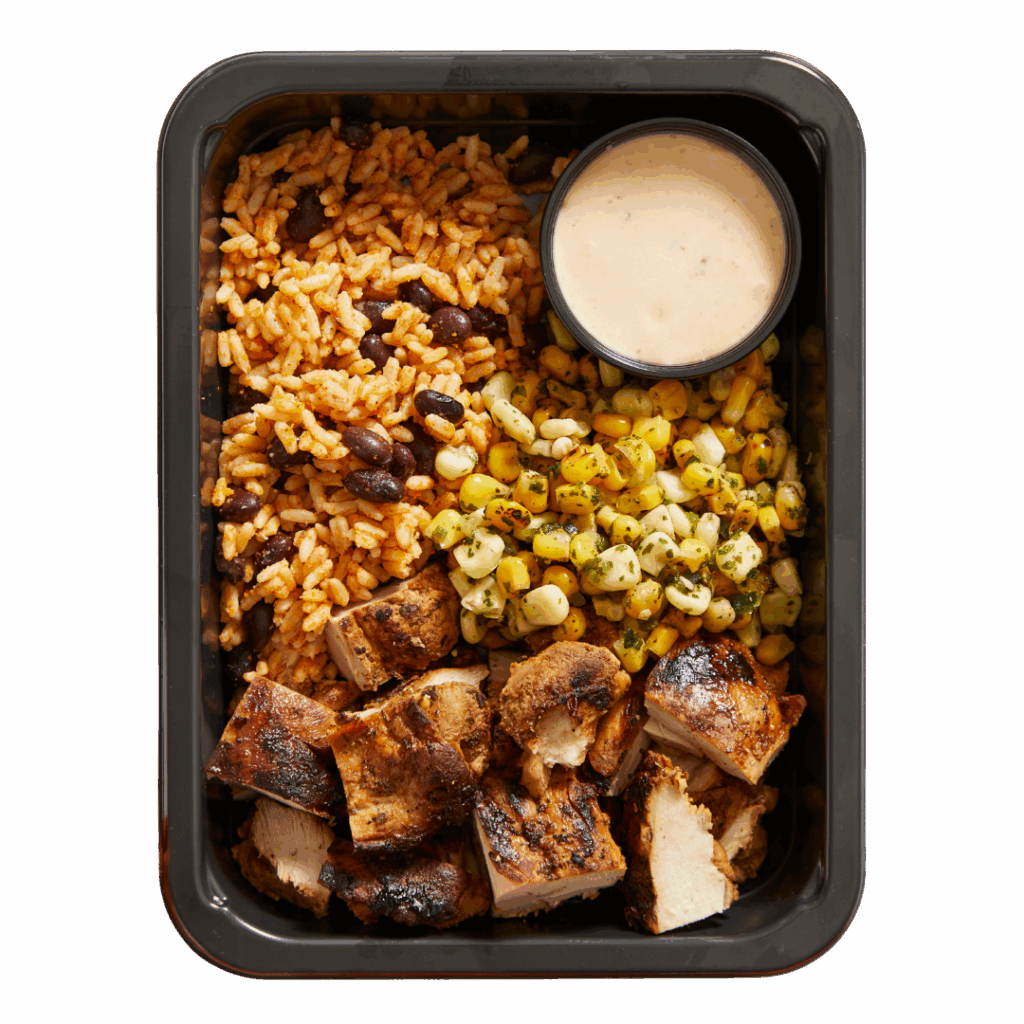
Who says Tex-Mex has to be sodium-heavy? This bowl layers seasoned chicken, fluffy rice, black beans, and roasted veggies, topped with a light queso drizzle. The key is balance: we use bold spices like cumin and chili powder to give full flavor, while keeping sodium far below typical burrito-bowl takeout.
Hibachi Steak Bowl
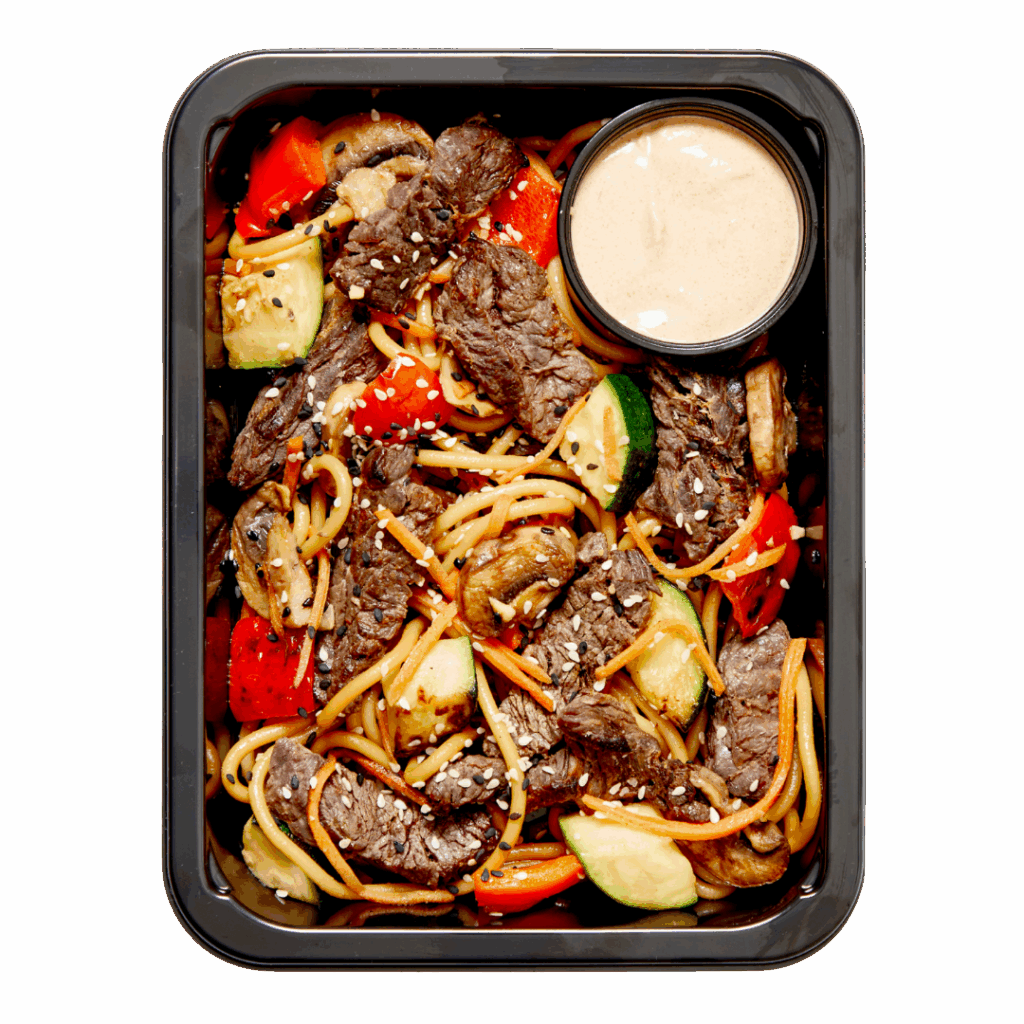
Inspired by your favorite Japanese steakhouse but reimagined with wellness in mind. Japanese-style marinated sirloin strips are stir-fried with zucchini, mushrooms, carrots, and noodles, all with the loved hibachi flavor, without drowning in sodium-loaded sauces. Soy, garlic, and ginger do the heavy lifting, with reduced-sodium swaps to keep it smart.
Chicken Unfried Rice
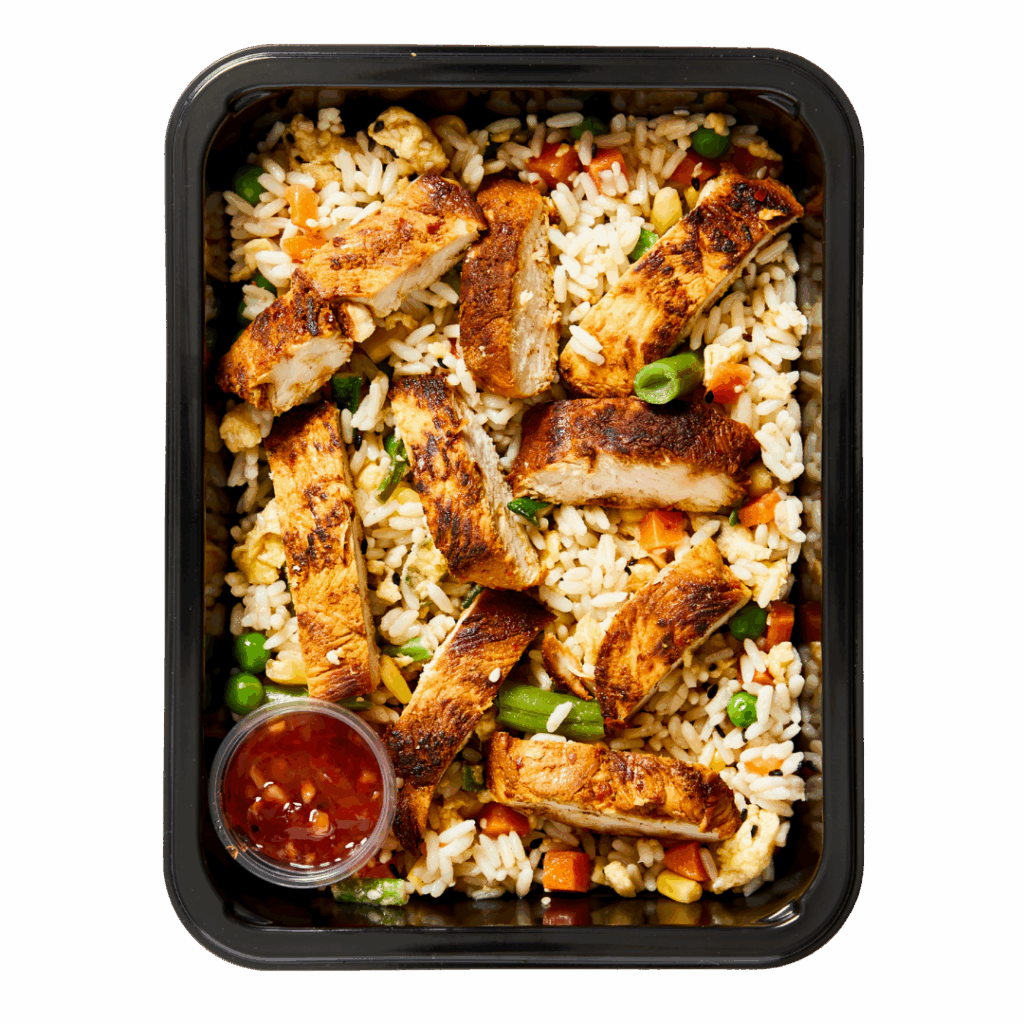
Mediterranean vibes meet balanced nutrition. A creamy protein-packed pasta dish made with Greek yogurt sauce for lower fat, pan-seared Atlantic salmon for healthy fats, and seasoned green beans for extra fiber. Plus, chili flakes and fresh lemon zest fill this dish with flavor, not sodium. A perfect example of how whole ingredients can shine on their own.
Tuscan Salmon
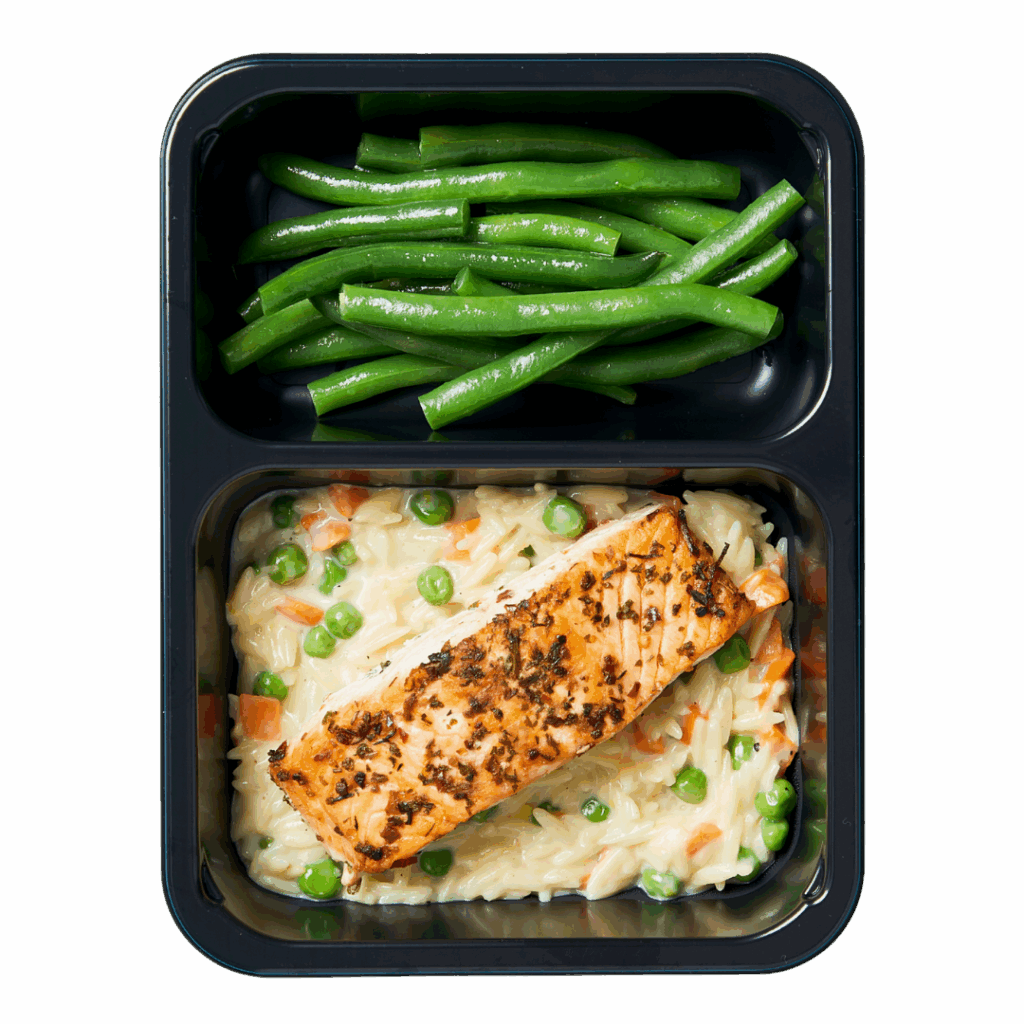
Mediterranean vibes meet balanced nutrition. A creamy protein-packed pasta dish made with Greek yogurt sauce for lower fat, pan-seared Atlantic salmon for healthy fats, and seasoned green beans for extra fiber. Plus, chili flakes and fresh lemon zest fill this dish with flavor, not sodium. A perfect example of how whole ingredients can shine on their own.
Each of these meals is designed to stay comfortably below the daily sodium limit while providing the taste and satisfaction you expect.
The Payoff: Why Eating Smarter Sodium Matters
Cutting back to within recommended levels has real benefits:
- Lower blood pressure and reduced cardiovascular risk, supporting heart health and lowering the risk of heart attacks and heart failure
- Less water retention and bloating, helping you feel lighter
- Better kidney health, especially for those with a family history of kidney disease
- Improved overall diet quality, since lower-sodium meals often feature fresher, less processed foods
Individuals with pre-existing conditions or those at higher risk or high risk for cardiovascular disease benefit most from sodium reduction.
The American Heart Association and policymakers set sodium intake guidelines at the population level to address sodium as a major risk factor for heart disease.
And here’s the best part: you don’t have to count every grain of salt. By choosing meals designed with sodium in mind, you’re already stacking the deck in your favor.
Tips for Managing Sodium at Home (Without Losing Flavor)
- Flavor with herbs, citrus, and spices. Garlic, ginger, lemon, and fresh herbs add punch without sodium.
- Watch condiments. Soy sauce, ketchup, dressings—these are common sodium bombs. Always check the sodium content on labels, as some can have surprisingly high mg of sodium per serving.
- Rinse canned goods. A quick rinse reduces sodium in beans or vegetables by up to 40%.
- Cook more, order smart. Restaurant portions can pack a full day’s sodium in one dish. Most Americans get the majority of their sodium from processed and restaurant foods, not just the salt shaker. Ask for sauces on the side.
- Check over-the-counter medications. Some OTC drugs contain unexpected amounts of sodium. Consult your pharmacist for low-sodium options.
- Balance your day. If you enjoy a higher-sodium meal, balance it with lower-sodium choices later.
The Fitlife Difference
Life’s too short for bland food or complicated nutrition math. We believe you should enjoy crave-worthy meals that keep you energized, on track with your goals, and confident that you’re not overdoing it on sodium.
So whether you’re digging into a Queso Chicken Burrito Bowl, savoring Tuscan Salmon, or keeping it light with Chicken Unfried Rice, you’re not just eating, you’re investing in how you feel. And that’s what we’re here for: to help you elevate your week, one smart (and delicious) bite at a time.
Order online for home delivery or swing by one of our 12 Florida and Georgia locations to pick up your favorites fresh and ready to go.