Protein has been stealing the nutrition spotlight for years. But there’s another nutrient that deserves a little more attention: fiber. While protein helps support muscle health, recovery, and satisfaction after meals, fiber plays an important role in digestion, gut health, and helping you feel comfortably full.
Together, protein and fiber can help you build more satisfying, balanced meals that support your health and active lifestyle.
Whether you’re powering through a busy workday, training for your next race, or simply looking to make more intentional food choices, understanding how these two nutrients work together can make eating well a whole lot easier. And the best part? You don’t need a complicated meal plan to get started.
At a Glance: The Benefits of Protein + Fiber
- Protein helps build and maintain muscle, supports recovery, and promotes fullness.
- Fiber supports digestive health, helps regulate blood sugar, and contributes to feeling satisfied.
- Together, they help create balanced meals that provide essential nutrients and support lasting satisfaction.
- The goal isn’t to maximize every nutrient. It’s to consistently enjoy a variety of foods that support your needs.
Why Are Protein + Fiber Getting So Much Attention?
Protein has dominated nutrition conversations for years, especially among people focused on fitness, strength, and healthy aging. And for good reason. Protein is essential for maintaining muscle, repairing tissues, and supporting everyday bodily functions. But fiber is finally getting some well-deserved recognition.
According to Harvard T.H. Chan School of Public Health, most Americans consume only about 15 grams of fiber daily, falling short of the commonly recommended 25–35 grams. That’s a significant gap, especially considering fiber’s important role in digestive health, blood sugar regulation, and overall wellness.
The takeaway? Eating well isn’t just about getting enough protein. It’s about building meals that deliver a variety of nutrients your body needs.
Think of protein and fiber as teammates. They have different responsibilities, but both deserve a place in your nutritional game plan.
What Does Protein Actually Do for Your Body?
Protein isn’t just for athletes or people trying to build muscle. It’s an essential macronutrient that supports nearly every system in your body. Your body uses protein to build and repair tissues, produce enzymes and hormones, and maintain healthy muscles.
Three Reasons Protein Matters
1. It supports muscle maintenance and recovery.
Whether you’re lifting weights, cycling, running, or simply staying active, protein provides the amino acids your body needs to maintain and repair muscle tissue.
2. It helps keep you satisfied.
Protein plays an important role in satiety, helping you feel satisfied after eating. Including protein in your meals can make it easier to manage hunger throughout the day.
3. It supports everyday health.
From tissue repair to normal immune function, protein contributes to essential processes that keep your body functioning.
What Foods Are Good Sources of Protein?
Some protein-rich foods include:
- Chicken, turkey, and lean beef
- Salmon, tuna, and other fish
- Eggs and Greek yogurt
- Tofu and edamame
- Beans and lentils
Including a variety of protein sources helps provide different nutrients alongside protein.
What Does Fiber Actually Do for Your Body?
If protein is the star of the show, fiber is the underrated supporting player that deserves more recognition. Fiber is a type of carbohydrate found in plant foods that your body cannot fully digest. Unlike other carbohydrates, fiber passes through your digestive system largely intact, supporting several important functions along the way.
Three Reasons Fiber Matters
1. It supports digestive health.
Fiber helps promote regular bowel movements, while certain types of fiber nourish beneficial gut bacteria.
2. It supports healthy blood sugar levels.
Soluble fiber can slow carbohydrate absorption, helping moderate blood sugar increases after meals.
3. It helps you feel fuller for longer.
Fiber-rich foods can add volume to meals and, depending on the type of fiber, slow digestion. This can help make meals more satisfying.
What Foods Are Good Sources of Fiber?
Look for foods such as:
- Broccoli, Brussels sprouts, and green beans
- Apples, raspberries, and other fruits
- Oats, quinoa, and whole grains
- Black beans, chickpeas, and lentils
- Chia seeds, flaxseeds, and nuts
Here’s something worth remembering: Animal proteins such as chicken, fish, and eggs naturally contain no dietary fiber. That’s why pairing them with fiber-rich foods can help create a more nutritionally complete meal.
Why Do Protein + Fiber Work So Well Together?
Protein and fiber support satisfaction through different mechanisms. Protein helps regulate appetite-related signals and supports muscle maintenance, while fiber contributes bulk and can slow digestion. When combined in a balanced meal, they can help you feel satisfied while delivering a wider range of essential nutrients.
For example, think about the difference between eating grilled chicken on its own and enjoying grilled chicken alongside roasted broccoli and quinoa. The chicken provides protein. The broccoli and quinoa contribute fiber, carbohydrates, vitamins, and minerals. Together, they create a more complete plate that supports your nutritional needs and helps keep hunger at bay.
The takeaway? It’s not just about how much protein you’re eating. It’s also about what you’re pairing it with.
How Much Protein + Fiber Do You Need Each Day?
Your nutritional needs depend on several factors, including age, body weight, activity level, and individual health goals.
Here’s a general starting point:
| Nutrient | General Daily Guidance |
| Protein | The longstanding adult Recommended Dietary Allowance is 0.8 grams per kilogram of body weight. Some active adults may benefit from higher amounts. |
| Fiber | Common recommendations range from approximately 25–38 grams daily, depending on age and sex. |
For example, a 150-pound adult’s baseline protein RDA is approximately 54 grams daily, although individual needs may be higher.
For fiber, many adults could benefit from gradually increasing their intake of vegetables, fruits, whole grains, beans, and seeds.
There’s no need to change everything overnight. In fact, increasing fiber gradually and drinking adequate fluids can help minimize digestive discomfort.
Want to Understand Your Nutrition Even Better?
Protein is one of three macronutrients your body needs, alongside carbohydrates and fats. Understanding how these nutrients work together can help you make more informed food choices based on your goals and lifestyle.
If you’re curious about what’s actually in your meals, explore our Beginner’s Guide to Counting Macros for a simple, realistic approach to understanding protein, carbohydrates, and fats.
And remember, you don’t have to track every gram to make meaningful progress. Sometimes, understanding what’s on your plate is the first step toward building better habits.
5 Easy Ways to Get More Protein + Fiber Into Your Day
Eating more protein and fiber doesn’t have to mean complicated recipes, expensive supplements, or spending your entire Sunday in the kitchen. A few thoughtful food combinations can make a meaningful difference.
1. Give Your Breakfast an Upgrade
Start your morning with Greek yogurt, berries, and chia seeds, or pair eggs with whole-grain toast and avocado. These combinations offer protein alongside fiber-containing foods to help make breakfast more satisfying.
2. Build a Better Lunch
Start with a protein you enjoy, like grilled chicken, salmon, or tofu. Then add colorful vegetables and a fiber-rich carbohydrate such as quinoa, brown rice, or beans. The result? A balanced lunch that supports your nutritional needs without sacrificing flavor.
3. Make Your Snacks Work Harder
Instead of reaching for something that leaves you hungry again shortly afterward, try pairing protein and fiber. Think apple slices with peanut butter, Greek yogurt with raspberries, or roasted edamame.
4. Don’t Overlook Your Sides
Vegetables, whole grains, and legumes aren’t just there to fill space on your plate. They contribute important nutrients, including fiber, that complement your protein source. Try pairing your favorite protein with roasted broccoli, sweet potatoes, green beans, or a grain salad.
5. Make Convenience Part of Your Routine
Between work, workouts, travel, and everything else on your calendar, preparing every meal from scratch isn’t always realistic. Having nutritious, ready-to-enjoy meals available can help you maintain consistency, even when your schedule has other plans. Because eating well should support your lifestyle, not take it over.
Protein + Fiber, Made Easy: 5 Fitlife Favorites to Try This Fall
Knowing what your body needs is one thing. Finding time to plan, prep, and cook meals that deliver? That’s another.
That’s where Fitlife Foods has your back.
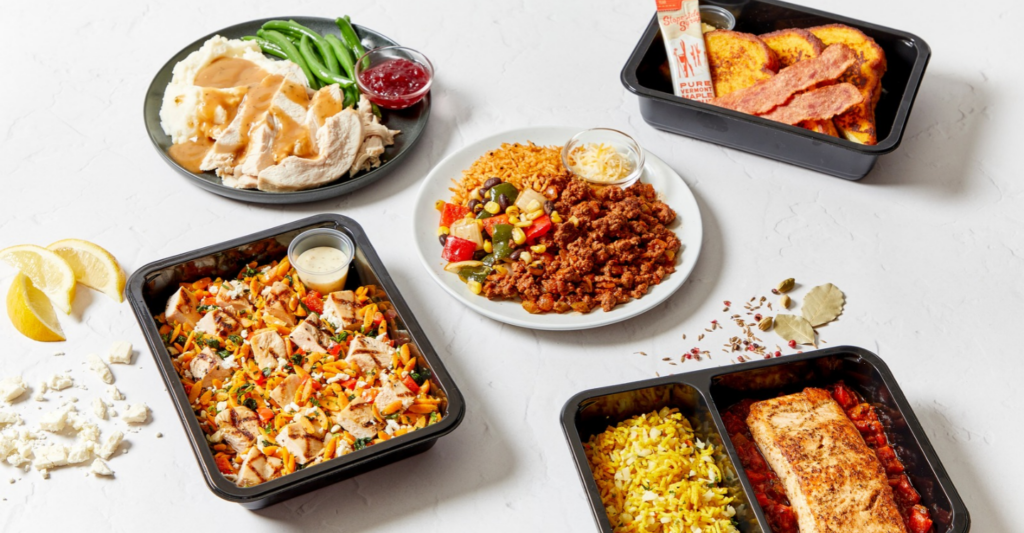
Our Executive Chef, Chris Austin, thoughtfully crafts FitMeals with quality proteins, complementary ingredients, and craveable flavors to make eating well something you genuinely look forward to. From protein-packed lunches to fiber-rich breakfasts, these five Fitlife favorites make it easier to bring more protein and fiber to your day—without spending hours in the kitchen.
All nutritional values below reflect medium portions. Nutritional information may vary by meal size or recipe updates.
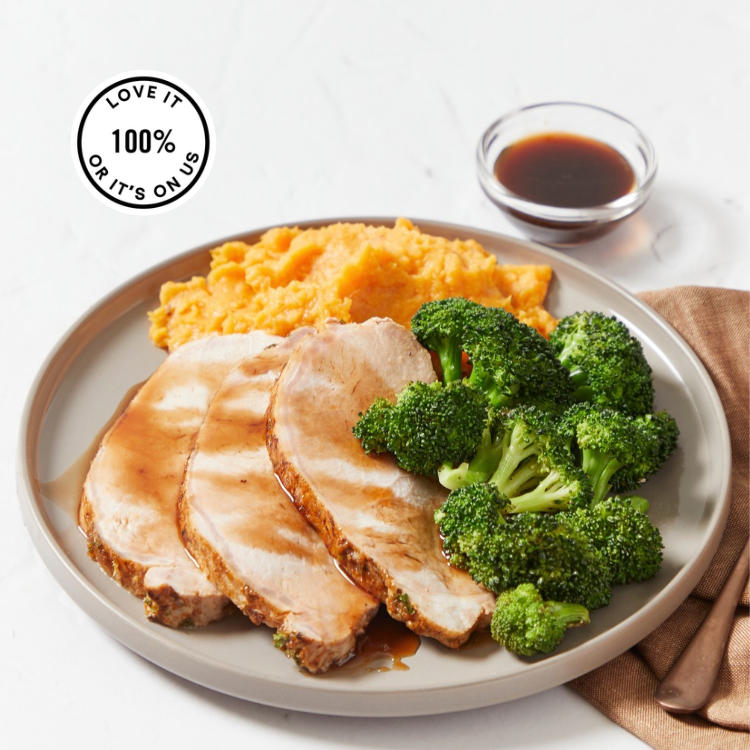
Honey Balsamic Pork Tenderloin
450 CALORIES | 40G PROTEIN | 6G FIBER
Back by popular demand! Tender pork tenderloin finished with a rich honey-balsamic glaze, paired with creamy Parmesan mashed sweet potatoes and oven-roasted broccoli.
With 40 grams of protein and 6 grams of fiber, this fall-inspired favorite brings satisfying nutrition and familiar comfort-food flavors together.
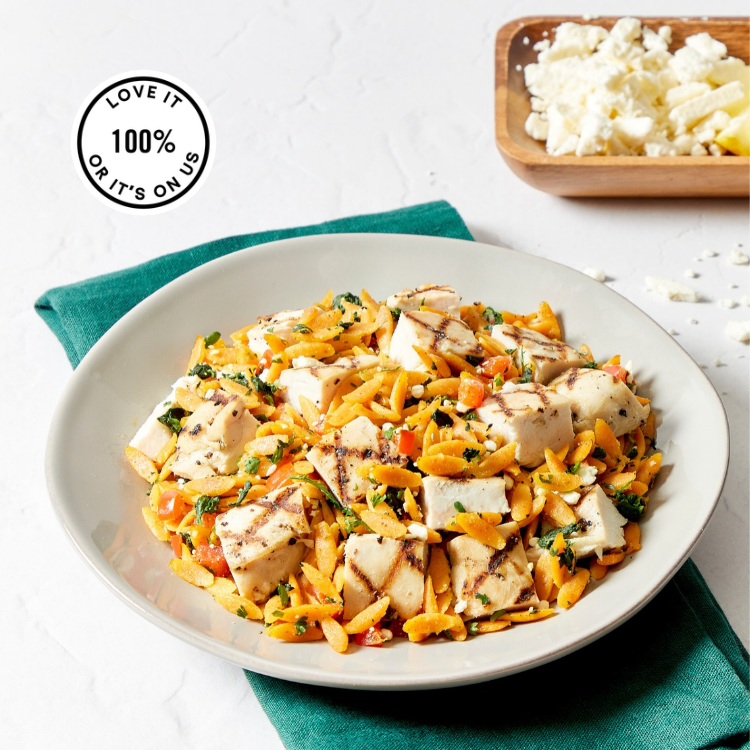
Mediterranean Chicken Orzo
480 CALORIES | 33G PROTEIN | 4G FIBER
Seasoned chicken breast, tender orzo, colorful vegetables, and creamy feta come together with a bright lemon-oregano dressing.
Delivering 33 grams of protein and 4 grams of fiber, this Mediterranean-inspired FitMeal makes a flavorful addition to your weekly routine.
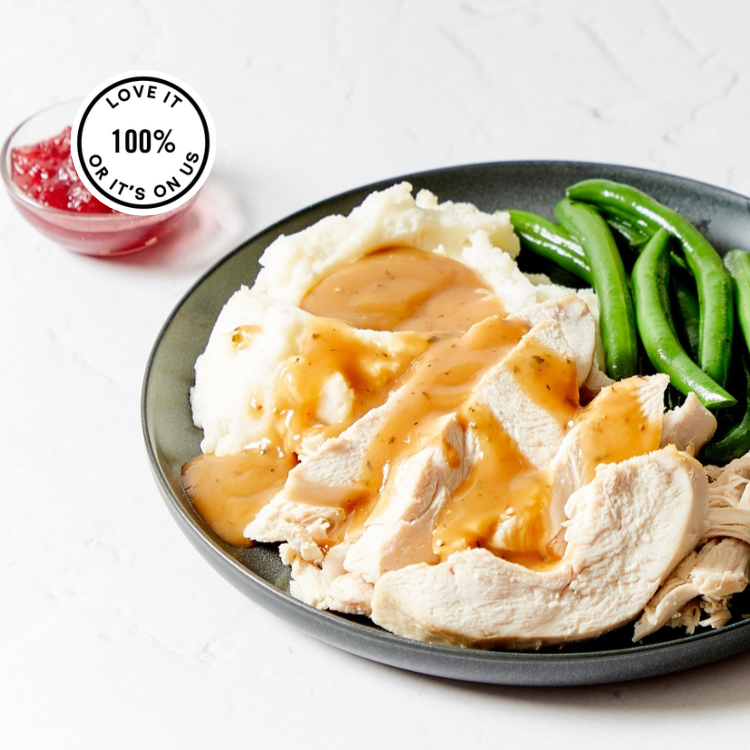
Classic Roasted Turkey
370 CALORIES | 40G PROTEIN | 5G FIBER
All the comforting flavors of a home-cooked holiday meal, without spending hours in the kitchen.
Tender roasted turkey breast, creamy mashed potatoes, crisp green beans, savory gravy, and cranberry relish come together for a satisfying plate with 40 grams of protein and 5 grams of fiber.
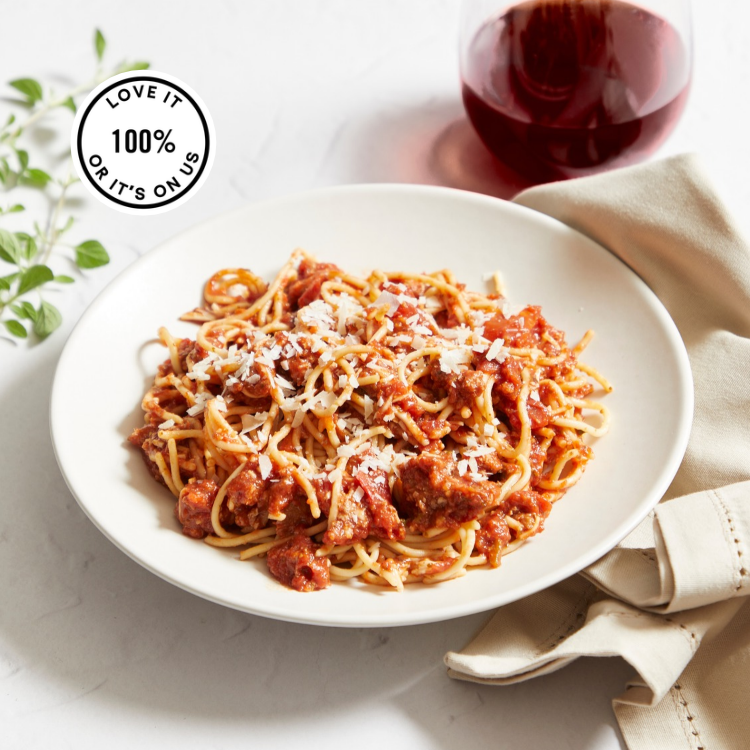
Turkey Bolognese
440 CALORIES | 25G PROTEIN | 9G FIBER
Who says comfort food can’t support your nutrition goals? Seasoned ground turkey, tomatoes, spices, and ground flaxseeds create a rich bolognese served over protein pasta.
With 25 grams of protein and an impressive 9 grams of fiber, this Italian-inspired favorite proves that a satisfying meal can deliver more than great flavor.
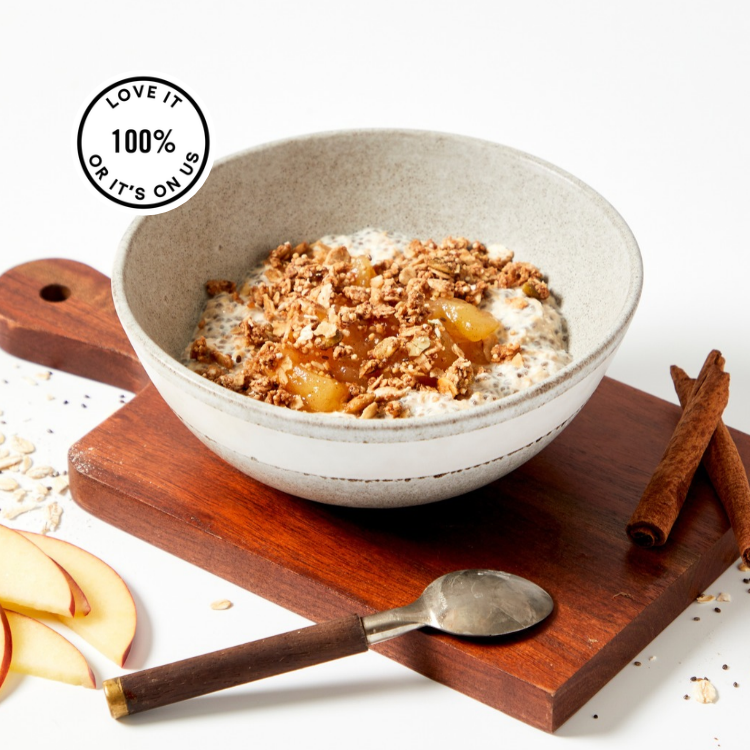
Apple Cinnamon Overnight Oats
310 CALORIES | 8G PROTEIN | 9G FIBER
Busy mornings deserve better than skipping breakfast. Rolled oats, chia seeds, cinnamon apples, and crunchy granola come together for a delicious, fiber-rich start to your day.
With 9 grams of fiber, this fall-inspired breakfast delivers approximately 32% of the daily fiber value in one convenient meal.
Frequently Asked Questions About Protein + Fiber
Is it good to eat protein and fiber together?
Yes. Protein and fiber support different aspects of nutrition, including muscle maintenance, digestion, and fullness. Pairing protein-rich foods with fiber-rich ingredients is a simple way to build more balanced meals.
Does fiber help keep you full like protein does?
Both protein and fiber can contribute to fullness, but they work differently. Protein affects appetite-regulating signals, while fiber can add volume and slow digestion. Together, they can help make meals more satisfying.
What foods contain both protein and fiber?
Beans, lentils, edamame, chia seeds, and certain whole grains contain both protein and fiber. You can also combine separate sources, such as chicken with broccoli or Greek yogurt with berries.
How much protein and fiber should I eat per meal?
There isn’t one ideal amount for everyone. Protein needs depend on factors like body weight, activity, and health goals, while fiber recommendations are generally expressed as daily targets. Spreading protein across meals and including fiber-rich foods throughout the day is a practical approach.
Can I get enough protein and fiber without meal prepping?
Absolutely. Convenient options like Greek yogurt, fruit, canned beans, nuts, and ready-to-eat meals can help you build a consistent routine without cooking everything from scratch.
Are high-protein meals automatically high in fiber?
No. Many high-protein foods, particularly meat, poultry, fish, and eggs, contain little or no fiber. Including vegetables, fruits, legumes, or whole grains can help increase the fiber content of your meals.
More of What Your Body Needs. More Time for What You Love.
Getting enough protein and fiber doesn’t have to mean counting every gram or spending your weekends meal prepping. Sometimes, it’s as simple as having delicious, thoughtfully prepared meals ready when you need them. From busy mornings to packed afternoons and everything in between, Fitlife makes it easier to eat with intention, stay consistent, and keep moving toward your goals.
Because eating well should give you more time and energy to enjoy the things that matter most.
And with our 100% Love It or It’s On Us Guarantee, you can find your next favorite FitMeal with confidence.
References
Fitlife Foods — Beginner’s Guide to Counting Macros
Harvard T.H. Chan School of Public Health — Fiber
Harvard T.H. Chan School of Public Health — How to Get More Protein and Fiber From a Single Food
Harvard T.H. Chan School of Public Health — Healthy Eating Guidance